The pride of California wines

Jim and Carolyn Pride initially planned to ease into retirement by taking on a small, enjoyable job selling grapes to winemakers.
After Jim concluded his career as a dentist and dental college faculty member in the early 1990s, and with their children grown, the couple envisioned themselves caring for evenly planted vines amidst the scenic backdrop of the Maycamas mountains in California.
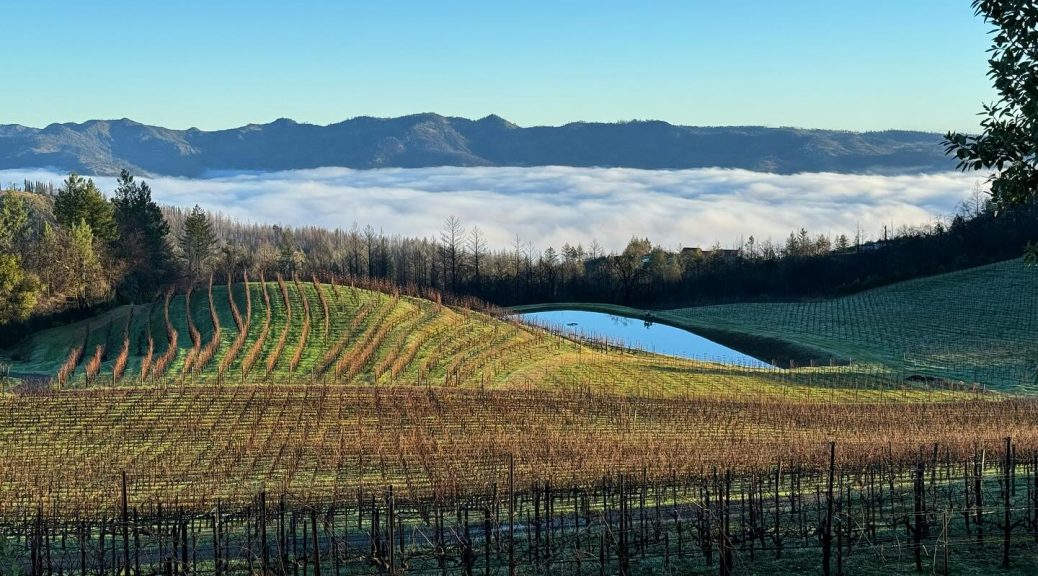
In 1989, they acquired a breathtaking ranch situated at the mountain’s crest, which marked the beginning of their “weekend job” evolving into what is now known as Pride Mountain Vineyards.
Nestled on a uniquely positioned property straddling the county lines of Napa and Sonoma, the land began producing an abundance of grapes, surpassing the couple’s initial sales capacity. Thus began the journey of a retired dentist and his wife delving into the creation of bold, intensely flavored varietals that have garnered a loyal customer following.
In this week’s Q&A with Boxerbrand blog Recipe for Success, Tim Bouchet, director of retail sales and hospitality for Pride Mountain Vineyards, provides insight into the operations of this beloved family vineyard.
Boxerbrand: Please tell me more about how the Pride family’s retirement job blossomed into a full-fledged winery.
Tim Bouchet: Mr. And Mrs. Pride loved California wine country. When they lived in Sacramento Valley they took many trips over the hill to visit Napa Valley wine country on weekends.
In 1989, after talking about the idea of farming grapes to sell to wineries, they found this beautiful and historic property known as the Summit Ranch.
The ranch needed a lot of work, and the couple jumped in with both feet. They bought every textbook in use in viticulture classes. And they just grew from there.
Before they started making wine in 1991 the Prides drilled wells, planted vineyards, hired staff, dug caves, paved roads, built barns and created the infrastructure to support their Bordeaux varietals.
Boxerbrand: What is your wine’s niche in the marketplace?
Tim Bouchet: Our grapes are very round, bold and full of flavor due to their ideal climate for growing. We’re on top of a 2,000 foot mountain, which puts us above the marine layer and gives the grapes extra sunlight every day.
At the same time, our distance from the ocean — we’re west of the Sierra Nevada—makes our temperatures cooler, and this results in a longer ripening process. I like to explain it this way: It’s like growing a tomato in a garden. If it ripens too quickly, it loses flavor and intensity. The same is true for grapes. With a longer time to ripen, we’ve produced from the beginning a bold, intense fruit-flavored wines that are varietally correct and the wines have lots of structure and age-ability. This means you can buy our wine as a collector and save it for 10, 20 or 30 years and it’ll still be delicious when it’s uncorked.
We received a lot of positive recognition from wine critics from the beginning. Our niche is that we make wines representative of California but have the complexity of the wines of France or Italy.
Boxerbrand: How do you sell into such a competitive industry?
Tim Bouchet: Eighty five percent of our sales is direct-to-consumer through our website or in person, and our next biggest consumer is restaurants.
We don’t do any advertising. Our brand was built by word-of-mouth. We gain our customers through our tasting room, and we also have an active mailing list and wine club, both of which drive sales.
Our wine consistency is something our customers have come to trust to such an extent that they don’t need to taste every vintage first and will just order it online. Our customers know what to expect with every bottle, and in our production process, we make sure every one of our SKUs is high quality every year. We never take our eye off the hard work that has to be done to keep up our consistency.
Boxerbrand: How do you ensure that consistency in product?
Tim Bouchet: It starts in the vineyard growing the best grapes. That sounds simple. But this is an intense process that takes smart viticulture. Our guys are up at sunup no matter what. Each vine needs to be tended to in a particular way to ensure the best grape production. For example, vines need to have their leaves thinned so grapes get enough sunlight. And the weeds need to be pulled so they don’t leach nutrition from the soil.
Each vine needs to have a perfect balance of fruit to foliage. We don’t want our vines sending out too much nutrition to too many leaves, but at the same time, we want the perfect canopy of leaves so the grapes can grow in ideal conditions.
Our buds break in our coldest months, and this is when we hard prune. By early June the vines are established and by July when the fruit sets, we spend our time managing the canopy. We harvest our grapes by hand from late September to mid November. After they’re harvested our grapes are put through special machinery that removes stems. And they’re carefully sorted, and underripe or imperfect grapes are removed. After that, a two-week fermentation process begins and the wines are pressed off, before they’re put into French oak barrels to age in our under-mountain caves for about two years.
People describe this as an art, but to me it’s a craft that involves a lot of knowledge and practice.
Boxerbrand: How do Boxerbrand menu covers help Pride Mountain Vineyards showcase the product?
Tim Bouchet: As we hear so often in hospitality news, the clientele is looking for more of an experience when they visit a restaurant or a vineyard. And we found that Boxerbrand menu covers were perfect to help us show off our wines. The look and feel of the menu covers is a tactile experience that demonstrates another level of care for our customers and imparts a sense of value of the experience at the vineyard. We have a progressive tour of our vineyard where our guests walk through caves and taste different wines with foods and the menu covers are integral to that experience. — Pride Mountain Vineyards uses Boxerbrand’s Italian Ultra menu covers line in their table presentation. Thank you!